
🍷 Foods & Drinks That Stain Teeth — And How to Enjoy Them Anyway
We all love a morning coffee or a glass of red wine in the evening — but over time, those simple pleasures can leave your smile looking a little dull.

At LA Teeth Whitening, we believe you can enjoy your favourite foods and drinks without sacrificing your white smile. Here’s a breakdown of what causes stains, which foods are most likely to dull your teeth, and clever ways to keep your smile bright between whitening sessions.
☕️ Top Foods That Cause Teeth Stains?
Certain foods and drinks naturally contain pigments or acids that can stick to your enamel and gradually cause discolouration. The most common offenders include:
- Coffee and Tea – Contain tannins that cling to enamel, creating yellow or brown stains.
- Red Wine – Deep pigments and acidity make it one of the strongest staining drinks.
- Curry and Tomato Sauces – Rich in colour and often oily, they can leave behind stubborn surface stains.
- Berries (Blueberries, Blackberries, Cherries) – Packed with antioxidants and natural dyes that love enamel.
- Cola and Dark Fizzy Drinks – Contain acids and colourants that both weaken enamel and darken teeth.
- Soy Sauce and Balsamic Vinegar – Dark condiments that easily stain due to their intense pigments.
Even healthy foods like beets and pomegranates can cause temporary staining due to their deep, natural colours.
🧬 Why Do Stains Form on Teeth?
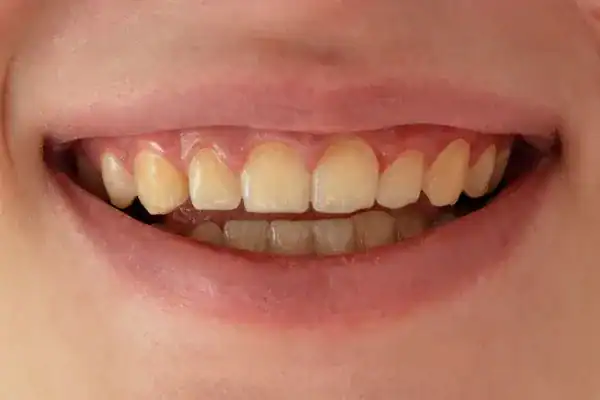
Your tooth enamel — the outer layer of each tooth — may feel smooth, but under a microscope, it’s full of tiny pores. Pigments from dark-coloured foods and drinks can settle into these microscopic grooves.
Over time, repeated exposure builds up a layer of discolouration that’s hard to remove through brushing alone.
Stains can be:
- Extrinsic (surface) — caused by foods, drinks, and smoking.
- Intrinsic (internal) — due to ageing, medication, or enamel thinning.
The good news? Extrinsic stains — the kind most of us have — respond exceptionally well to laser teeth whitening, restoring your natural brightness safely and effectively.
🥤 Smart Ways to Reduce Staining (Without Giving Up What You Love)
You don’t have to avoid coffee or wine forever. Instead, adopt these habits to help:
🧃 1. The Use Of Straws
When possible, sip darker drinks, such as cola, iced coffee, or smoothies, through a straw to minimise staining. It minimises contact with your teeth and helps prevent staining.
🚿 2. Rinse or Drink Water After
Rinse your mouth or drink a glass of water right after consuming stain-causing foods. This simple trick helps wash away pigments before they set in.
🧊 3. Limit Contact Time
Try to enjoy staining drinks in one sitting rather than sipping throughout the day. Constant exposure increases the chance of discolouration.
🪥 4. Brush Gently — But Not Immediately
Wait at least 30 minutes before brushing after consuming acidic foods or drinks. Brushing too soon can scrub softened enamel and make stains worse.
🦷 5. Eat Whitening-Friendly Foods
Some foods naturally help clean your teeth while you eat — like crunchy apples, celery, or carrots. Their texture can gently scrub your enamel and promote saliva flow, which neutralises acid.
🕐 6. Schedule Regular Whitening Touch-Ups
Even with good habits, everyday life can dull your smile over time. Professional laser teeth whitening at LA Teeth Whitening can safely remove surface stains and refresh your smile’s brightness in just one session.
🥗 The Whitening-Friendly Diet: Foods That Help Keep Teeth Bright
If you’ve just had your teeth whitened, or you’re trying to preserve your results, follow the “white diet” for the first 24–48 hours.
It includes light-coloured, low-acid foods such as:
- Chicken, turkey, or fish
- White rice, pasta, and potatoes
- Cauliflower, mushrooms, and peeled apples
- Milk, yoghurt, and cheese
- Clear drinks or water
These foods are gentle on enamel and won’t interfere with your whitening results.
❓ FAQs: Foods & Drinks That Stain Teeth
Q1. Which foods stain teeth the most?
These types of foods contain acids and pigments
- Coffee
- Tea
- Red wine
- Curry
- Soya Sauce
- Berries
They attach to enamel over time. Avoid them!
Q2. Does drinking coffee through a straw really make a difference?
Yes! Using a straw limits the amount of coffee that comes into contact with your teeth, reducing the risk of staining — especially if you regularly drink coffee or tea.
Q3. How long should I wait to eat coloured foods after whitening?
For the first 48 hours, stick to the “white diet.” Your enamel is more porous during this time, so avoiding coloured foods helps lock in your whitening results.
Q4. Can brushing immediately after consuming wine or curry help prevent stains?
Not immediately — acidic foods soften enamel, so brushing too soon can wear it down. Wait at least 30 minutes before brushing to avoid enamel damage.
Q5. Are natural foods like berries or beetroot safer than artificial colourings?
Even natural pigments can stain enamel. While they’re healthy, it’s best to rinse your mouth or drink water after eating them.
Q6. How often should I get professional whitening if I drink coffee or wine on a daily basis?
Most clients benefit from a top-up session every 6–12 months, depending on diet and lifestyle. Regular whitening helps prevent stains from accumulating.
Q7. Can whitening toothpaste remove these stains?
Whitening toothpaste can help reduce surface stains, but won’t lift deeper discolouration. For longer-lasting results, professional laser whitening is the most effective solution.
You don’t have to give up your favourite foods to maintain a bright, confident smile. By making minor adjustments — such as rinsing with water, using a straw, and avoiding prolonged exposure — you can enjoy what you love while keeping your teeth looking their best.
And when your smile needs a refresh, LA Teeth Whitening is here to help with safe, professional laser whitening that restores brilliance in under an hour.
👉 Book your at-home whitening session and discover just how easy it is to keep your smile camera-ready, stain-free, and naturally radiant. All our treatments are FDA-approved.